
Hair loss is not limited to men. Many women experience thinning hair, reduced density, or localized bald patches due to genetics, hormonal changes, medical conditions, or lifestyle factors. While over-the-counter solutions and medications can help, they often provide only temporary relief. For women seeking long-term and natural-looking results, hair implant for ladies offers a highly effective solution.
This article explores what women should know about advanced hair implant procedures, including how they work, who they benefit, and what to expect before, during, and after treatment.
Understanding Female Hair Loss
Common Causes
Female hair thinning can occur due to a variety of factors:
Genetic Predisposition: Female pattern hair loss leads to diffuse thinning across the scalp.
Hormonal Fluctuations: Pregnancy, menopause, contraceptive use, or thyroid imbalances can disrupt the hair growth cycle.
Medical Conditions: Autoimmune disorders, chronic illnesses, and medications can contribute to shedding.
Environmental and Lifestyle Factors: Stress, poor nutrition, and chemical treatments may accelerate hair loss.
Understanding the underlying cause helps determine the most suitable hair restoration approach.
Impact on Confidence
Hair thinning or loss can affect self-esteem and social confidence. Women often seek treatments that restore hair density while maintaining a natural and feminine appearance.
What Is a Hair Implant Procedure for Women?
Overview
Hair implants involve transplanting healthy hair follicles from a donor area—usually the back or sides of the scalp—into thinning or bald regions. Unlike temporary treatments, these implants provide permanent results because transplanted follicles continue to grow naturally.
Advanced Techniques
Follicular Unit Extraction (FUE)
FUE is a minimally invasive procedure that removes individual follicles and implants them into target areas. Benefits include:
Minimal scarring
Fast recovery
Natural-looking results with proper density and hairline design
Direct Hair Implantation (DHI)
DHI is an advanced method where follicles are implanted directly using a specialized implanter pen, offering:
Precise control of hair angle, direction, and depth
Higher density and natural growth patterns
Reduced trauma and faster healing
These techniques are tailored to women’s hair patterns and aesthetic needs, ensuring natural results.
Key Benefits of Hair Implants for Women
Natural and Feminine Appearance
Advanced implantation techniques allow surgeons to recreate natural hairlines and restore even density, maintaining a feminine look.
Permanent Solution
Once transplanted, hair follicles grow naturally, providing a long-lasting solution to hair thinning.
Boosts Confidence
Restoring hair density can improve self-esteem, social confidence, and overall quality of life.
Minimally Invasive
Modern procedures involve small incisions or no incisions, resulting in minimal downtime and faster recovery.
Suitable for Various Stages of Hair Loss
Hair implants can address early thinning, diffuse pattern loss, or localized bald patches.
What to Expect During the Procedure
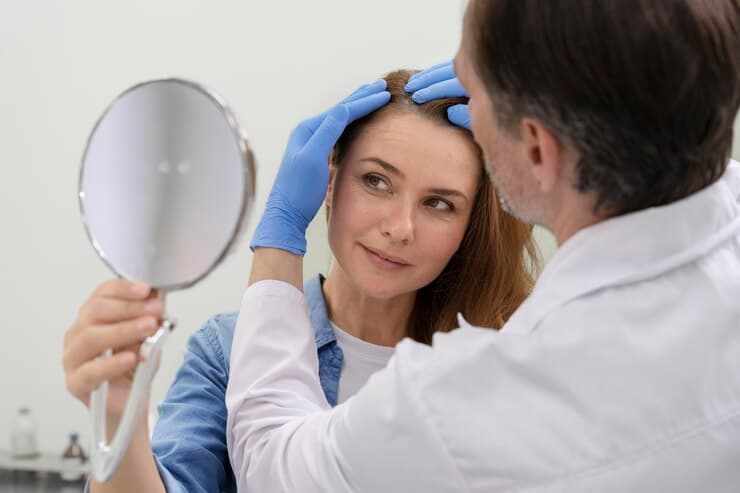
Initial Consultation
Assessment of hair loss pattern and donor area quality
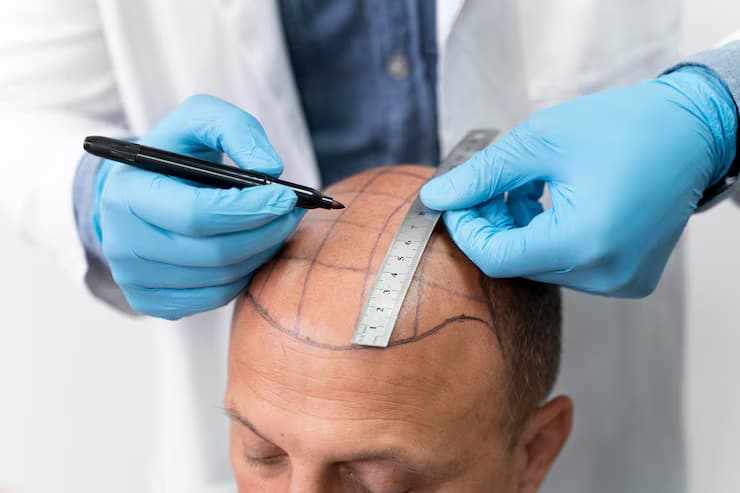
Discussion of realistic expectations and desired hairline
Health evaluation to ensure suitability for surgery
Extraction and Implantation
Follicles are carefully extracted from the donor area
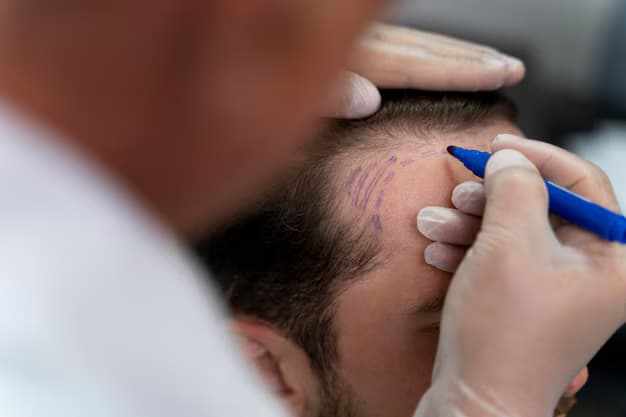
Individual follicles are implanted into thinning regions using precise techniques
Placement considers hair direction, angle, and density for a natural look
Post-Procedure Care
Patients are advised to:
Keep the scalp clean and moisturized
Avoid direct sun exposure and strenuous activity for a short period
Follow a prescribed medication or topical care routine to support healing
Recovery and Hair Growth Timeline
Initial Weeks: Mild redness or swelling may appear; transplanted hair may shed temporarily
3–4 Months: New hair growth begins gradually
9–12 Months: Full results with natural density and coverage are visible
Long-term care includes healthy hair habits, regular scalp checkups, and sun protection.
Who Should Consider Hair Implants
Women with diffuse thinning or early pattern hair loss
Those with localized bald patches due to surgery, scarring, or trauma
Individuals seeking a permanent solution rather than temporary treatments
Complementary Treatments
Hair implants can be combined with adjunct therapies for enhanced results:
PRP (Platelet-Rich Plasma) therapy to stimulate follicle activity
Low-level laser therapy to promote hair density
Nutritional and topical support to maintain hair quality
Conclusion
Advanced hair implant procedures provide women with a safe, effective, and permanent solution for hair thinning or loss. Techniques like FUE and DHI allow for precise follicle placement, natural-looking density, and restored confidence. Women seeking lasting results can benefit significantly from these minimally invasive procedures.
For expert guidance and advanced female hair restoration solutions, Este Medical Group offers professional care, personalized treatment plans, and state-of-the-art hair implant procedures designed to help women achieve fuller, healthier, and naturally beautiful hair.




Write a comment ...