
Hair thinning and baldness are common concerns affecting millions of people worldwide. For many, the appearance of thinning hair impacts confidence, self-esteem, and overall quality of life. Over the years, hair restoration techniques have evolved dramatically, offering solutions that go beyond temporary fixes or non-invasive treatments. Among the most advanced and precise methods available today is the DHI hair transplant, a technique designed to restore hair with natural density while minimizing downtime and ensuring high survival rates of transplanted follicles.
This article explores what sets DHI apart from other hair restoration methods, how the procedure works, its benefits, and who can benefit from this advanced technique.
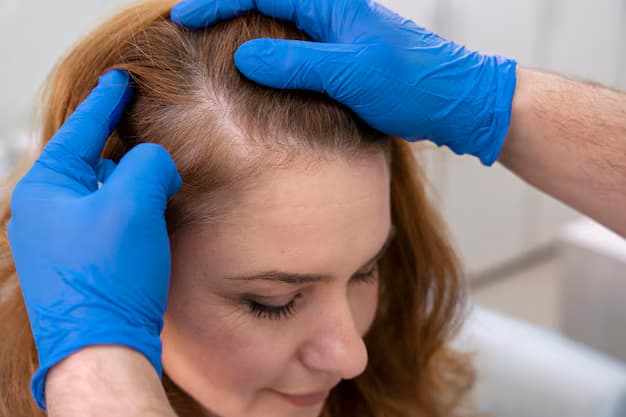
Understanding Hair Loss and the Need for Restoration
Common Causes of Hair Thinning
Hair loss can occur due to a variety of factors:
Genetic Predisposition: Androgenetic alopecia, or pattern baldness, is the most prevalent cause of hair loss in men and women.
Hormonal Changes: Hormonal fluctuations related to thyroid issues, pregnancy, or stress can accelerate hair thinning.
Medical Conditions: Scalp infections, autoimmune disorders, and certain medications may contribute to hair loss.
Aging: Natural aging processes can reduce hair density and follicle activity.
Understanding the cause of hair loss is crucial for selecting the most effective restoration technique.
Psychological Impact
Hair loss often affects self-confidence and social comfort. Many individuals seek permanent solutions not just for appearance, but for improved overall well-being.
Traditional Hair Transplant Methods
Follicular Unit Transplantation (FUT)
FUT involves removing a strip of scalp from the donor area, dissecting it into follicular units, and transplanting them to thinning areas. While effective, it often leaves a linear scar and requires longer recovery.
Follicular Unit Extraction (FUE)
FUE extracts individual follicles from the donor area for transplantation. This technique reduces scarring and shortens recovery time, but some patients may still require additional sessions to achieve dense coverage.
While both FUT and FUE have proven results, newer techniques like DHI offer refinements in precision, density, and natural hairline creation.
What Is DHI Hair Transplant
Direct Hair Implantation Explained
DHI, or Direct Hair Implantation, is an advanced hair restoration method that uses specialized tools to implant individual hair follicles directly into the thinning or bald areas without creating pre-made recipient sites. The procedure involves the simultaneous extraction and implantation of follicles, allowing precise control over angle, depth, and direction.
Key Features of DHI
Precision: Each follicle is implanted individually, ensuring natural hair growth patterns.
Density Control: Surgeons can achieve higher hair density by carefully placing follicles closer together.
Minimized Trauma: Direct implantation reduces scalp trauma, improving recovery and follicle survival.
No Need for Incisions: Unlike FUT or traditional FUE, DHI eliminates the need for creating recipient holes.
How the DHI Procedure Works
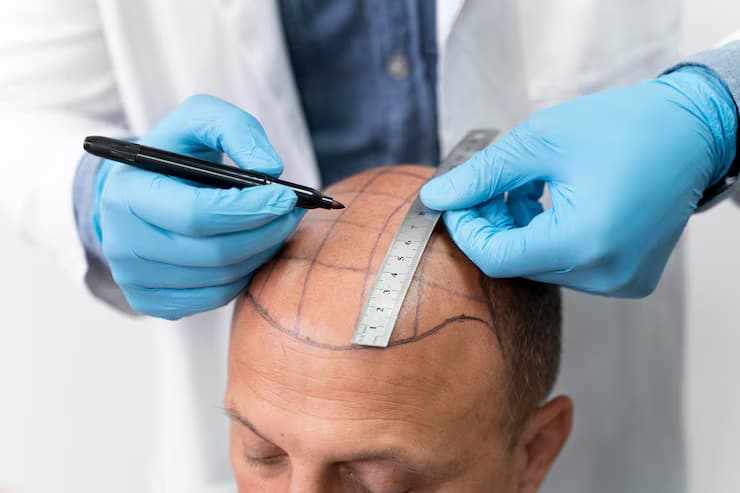
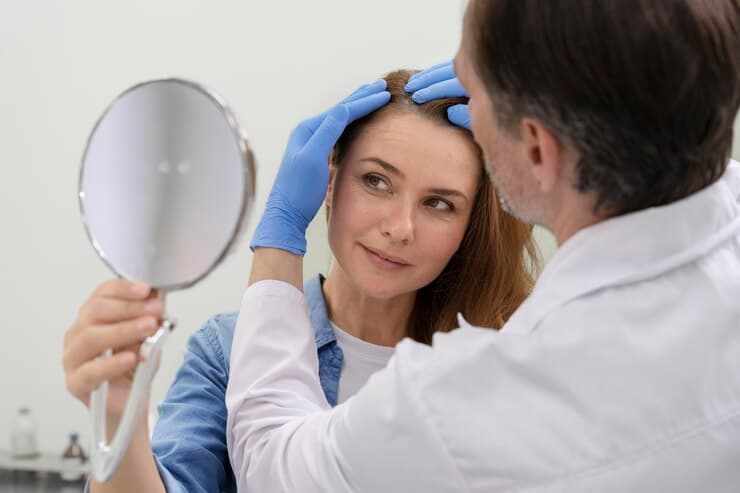
Step 1: Consultation and Planning
The process begins with a detailed consultation where the surgeon evaluates:
Hair loss pattern and donor area quality
Desired hairline design and density
Overall health and suitability for surgery
This stage ensures the procedure is tailored to individual goals and expectations.
Step 2: Follicle Extraction
Healthy follicles are extracted from the donor area, typically the back or sides of the scalp, using a fine micro-punch tool. Each follicle is carefully preserved to maintain viability.
Step 3: Direct Implantation
Using the DHI Implanter pen, follicles are implanted directly into the recipient area. The pen allows precise control over the depth, direction, and angle of each follicle, ensuring a natural hairline and uniform growth.
Step 4: Post-Procedure Care
Patients receive guidance on caring for the scalp, including gentle washing, avoiding sun exposure, and following any recommended medications to support healing and follicle survival.
Benefits of DHI Hair Transplant
Natural Density and Hairline
Because each follicle is implanted individually, surgeons can achieve a natural, high-density appearance. This precision ensures that transplanted hair integrates seamlessly with existing hair.
Minimally Invasive
DHI reduces trauma to both donor and recipient areas. The absence of incisions and sutures allows faster healing and minimal discomfort.
High Survival Rate
Direct implantation improves the survival rate of follicles by reducing the time they are outside the body. This results in a higher success rate and better long-term outcomes.
Short Recovery Time
Patients can typically resume normal activities within a few days. Mild redness or swelling may occur but usually resolves quickly.
Suitable for Various Hair Loss Stages
DHI is versatile and can address early thinning, partial baldness, or more extensive hair loss, making it suitable for a wide range of patients.
Who Can Benefit From DHI
Individuals Seeking Natural-Looking Results
Those who prioritize a natural hairline and dense coverage often find DHI highly effective.
Patients with Limited Donor Hair
DHI allows optimal use of available donor follicles, making it an excellent option for individuals with limited donor areas.
People Looking for Minimal Downtime
Busy professionals or individuals seeking quick recovery benefit from the minimally invasive nature of DHI.
Maintenance and Long-Term Care
Hair Growth Timeline
Initial Weeks: Newly implanted follicles may shed, which is a normal part of the growth cycle.
3 to 4 Months: New hair begins to grow.
9 to 12 Months: Full results are visible, with natural density and integration.
Ongoing Care
Maintaining a healthy scalp through proper hygiene, nutrition, and occasional check-ups supports long-term success.
Conclusion
DHI hair transplant represents a significant advancement in hair restoration, offering precise, minimally invasive treatment with natural-looking density. By combining individualized planning, careful follicle extraction, and direct implantation, this method delivers reliable and lasting results for those struggling with hair thinning or baldness.
For individuals seeking professional guidance and advanced hair restoration options, Este Medical Group provides expert care, personalized treatment plans, and state-of-the-art DHI procedures to help patients achieve fuller, natural-looking hair with confidence.




Write a comment ...