
Plasma Replacement Therapy, also known as Platelet-Rich Plasma (PRP) therapy, is a revolutionary treatment that utilizes the body’s natural healing abilities to promote hair regrowth, improve skin texture, and rejuvenate various tissues. It has gained significant popularity for its ability to treat hair loss, especially for those experiencing thinning hair or early stages of baldness. This article explains the science behind PRP treatments for hair, the procedure itself, and why it has become a go-to solution for many looking to restore hair and confidence.
What Is Plasma Replacement Therapy?
The Basics of PRP Treatment
Platelet-Rich Plasma (PRP) therapy is a medical treatment that uses the patient’s own blood to promote healing and rejuvenation. The process begins by drawing a small amount of the patient’s blood, which is then processed in a centrifuge to isolate the platelet-rich plasma from other blood components. This PRP is then injected into targeted areas, such as the scalp, to stimulate hair growth or skin regeneration. The growth factors present in the plasma are essential for tissue repair, cell growth, and regeneration.
The Role of Platelets in Healing and Hair Growth
Platelets are blood cells that help the body heal injuries by promoting clotting and tissue regeneration. They are rich in growth factors, which are essential in the healing process. When applied to areas affected by hair thinning or hair loss, the PRP stimulates dormant hair follicles, encourages the growth of new hair, and strengthens existing hair. This process makes PRP therapy particularly effective for individuals with thinning hair or early-stage hair loss.
The Science Behind PRP Treatments for Hair
How PRP Works to Stimulate Hair Follicles
PRP treatment stimulates hair growth by delivering growth factors directly to the hair follicles. These factors promote cell division and regeneration, revitalizing weak or dormant hair follicles. The growth factors in PRP help increase blood circulation to the scalp, ensuring that hair follicles receive the necessary nutrients and oxygen required for hair growth. This process reactivates the hair follicles, leading to healthier, thicker, and stronger hair.
Hair Regeneration Through Collagen Production
Collagen is a key protein that maintains the structural integrity of the skin and hair follicles. The growth factors in PRP also stimulate collagen production in the scalp, which helps regenerate the tissue and improve the overall health of the hair follicles. As collagen levels increase, the scalp becomes healthier and more conducive to hair growth. This results in stronger, more resilient hair that looks natural and vibrant.
Extending the Hair Growth Cycle
PRP treatments for hair also work by prolonging the anagen (growth) phase of the hair cycle. This phase is crucial for producing long, thick hair. PRP stimulates hair follicles to stay in the growth phase for a longer period, which leads to an increase in hair density and volume. As the hair follicles receive more nutrients and oxygen, they continue producing new hair, resulting in improved overall hair growth.
The PRP Treatment Process for Hair Restoration
Step 1: Initial Consultation and Assessment
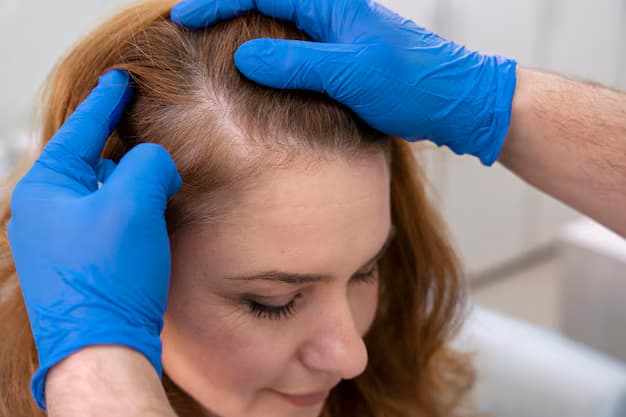
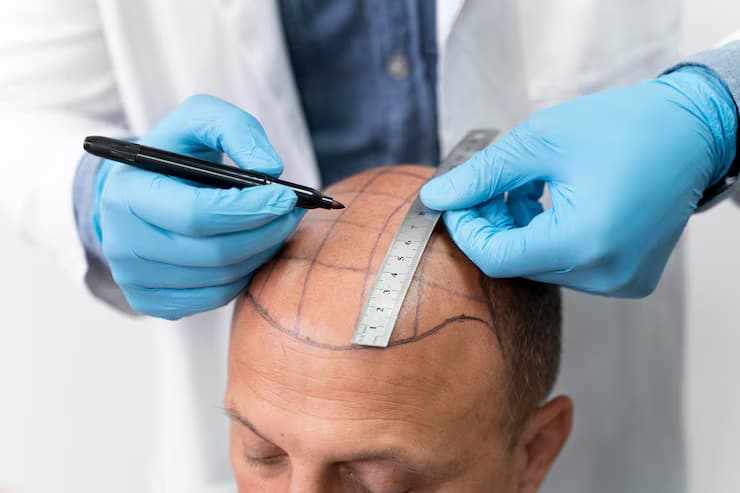
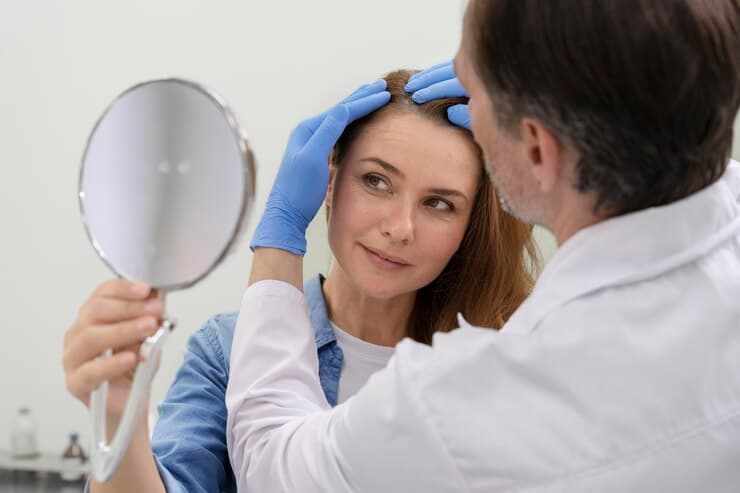
Before undergoing PRP treatments for hair, patients typically have an initial consultation with a qualified practitioner. During this consultation, the patient's hair loss concerns are discussed, and the practitioner assesses the severity of hair thinning or balding. The practitioner will explain how the treatment works and outline the expected results. This session also helps set realistic expectations and allows patients to ask any questions they may have about the procedure.
Step 2: Blood Collection and PRP Preparation
Once the consultation is complete, the next step in the PRP treatment process is blood collection. A small sample of the patient’s blood is drawn, typically from the arm. The blood is then placed in a centrifuge, which spins it at high speeds to separate the platelet-rich plasma from the rest of the blood. The result is a concentrated solution of platelets and growth factors that will be used for the injections.
Step 3: Injection of PRP into the Scalp
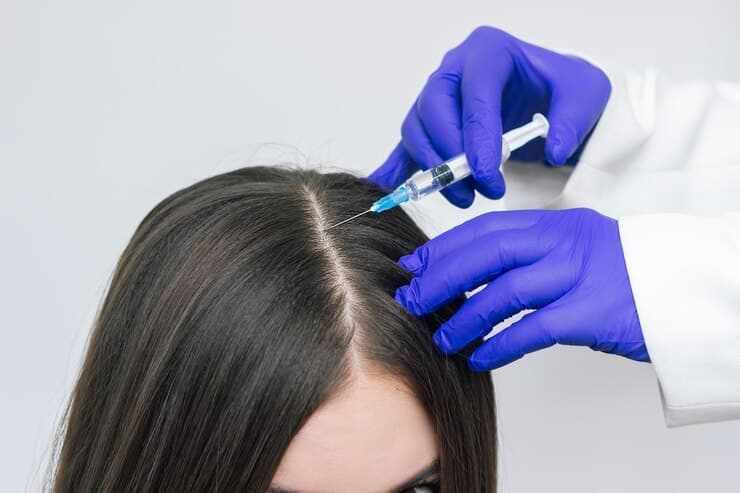
Once the PRP is prepared, the next step is to inject the plasma into the scalp. Using fine needles, the practitioner carefully injects the PRP into the areas of the scalp where hair thinning or loss is occurring. The injections are usually spaced evenly across the scalp to ensure the most effective results. Most patients report feeling only mild discomfort during the procedure, as a local anesthetic or numbing cream is often applied to the scalp beforehand.
Step 4: Post-Treatment Care and Recovery
After the PRP treatment, patients may experience mild redness or swelling at the injection sites, but these effects are temporary and subside within a few hours to a couple of days. Patients are typically able to resume their normal activities immediately after the treatment. However, it is important to follow any aftercare instructions provided by the practitioner, such as avoiding washing the hair for 24 to 48 hours and refraining from direct sun exposure.
How Many PRP Sessions Are Required for Hair Restoration?
Number of Sessions for Optimal Results
PRP treatments for hair usually require multiple sessions to achieve the best results. Most patients undergo 3 to 4 sessions, spaced about 4 to 6 weeks apart. This allows the PRP to gradually stimulate the hair follicles, leading to sustained hair regrowth over time. Depending on the severity of hair loss and the individual’s response to treatment, the number of sessions may vary.
Maintenance Sessions for Long-Term Benefits
While initial results can be seen after a few months, maintaining hair regrowth typically requires ongoing treatments. After the initial series of sessions, maintenance sessions every 4 to 6 months are recommended to continue stimulating hair growth and preventing further hair loss. These maintenance sessions ensure that hair follicles remain active and productive.
What to Expect After PRP Treatment for Hair Loss
Early Results and Hair Growth
Within the first 2 to 3 months after the treatment, many patients begin to notice a reduction in hair shedding and an improvement in hair thickness. Initially, the newly grown hair may be softer and finer, but over time, it becomes thicker and stronger. The hair may also appear fuller and denser, especially in areas where hair thinning was more prominent.
Long-Term Results
The full effects of PRP treatments typically become visible after 6 to 12 months. By this time, the hair has grown stronger, thicker, and more resilient. The results are natural-looking, as the hair gradually blends with the patient’s existing hair. As PRP continues to stimulate the hair follicles, patients can expect long-term improvements in hair density, texture, and overall scalp health.
The Advantages of PRP Treatments for Hair
Non-Surgical and Safe
One of the primary advantages of PRP treatments is that they are non-surgical. This means there are no cuts, stitches, or lengthy recovery periods. PRP is also a safe, natural treatment that uses the body’s own resources, minimizing the risk of side effects or allergic reactions.
Effective for Various Hair Loss Conditions
PRP is effective for different types of hair loss, including androgenic alopecia (male and female pattern baldness), hair loss due to stress or illness, and even hair thinning caused by lifestyle factors. Its ability to rejuvenate the scalp and stimulate hair follicles makes it a versatile solution for many individuals.
Long-Lasting Results with Minimal Downtime
PRP therapy offers long-lasting results with minimal downtime. Unlike hair transplant surgery, which requires extensive recovery and carries higher risks, PRP provides a non-invasive, low-risk alternative with little disruption to daily activities. Most patients can resume normal activities immediately after the procedure.
Conclusion
Plasma Replacement Therapy, or PRP, offers an effective, non-invasive solution for individuals struggling with hair loss. By utilizing the body's natural growth factors, PRP stimulates hair follicles, improves scalp health, and encourages hair regrowth. The treatment is safe, minimally invasive, and produces natural-looking results, making it an ideal option for those seeking to restore their hair and confidence. For professional guidance and personalized care, Este Medical Group provides trusted PRP treatments that help individuals regain fuller, thicker hair and a renewed sense of self-confidence.


Write a comment ...